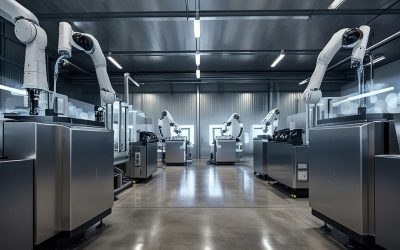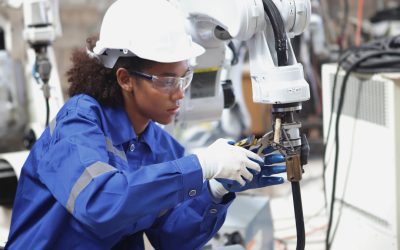
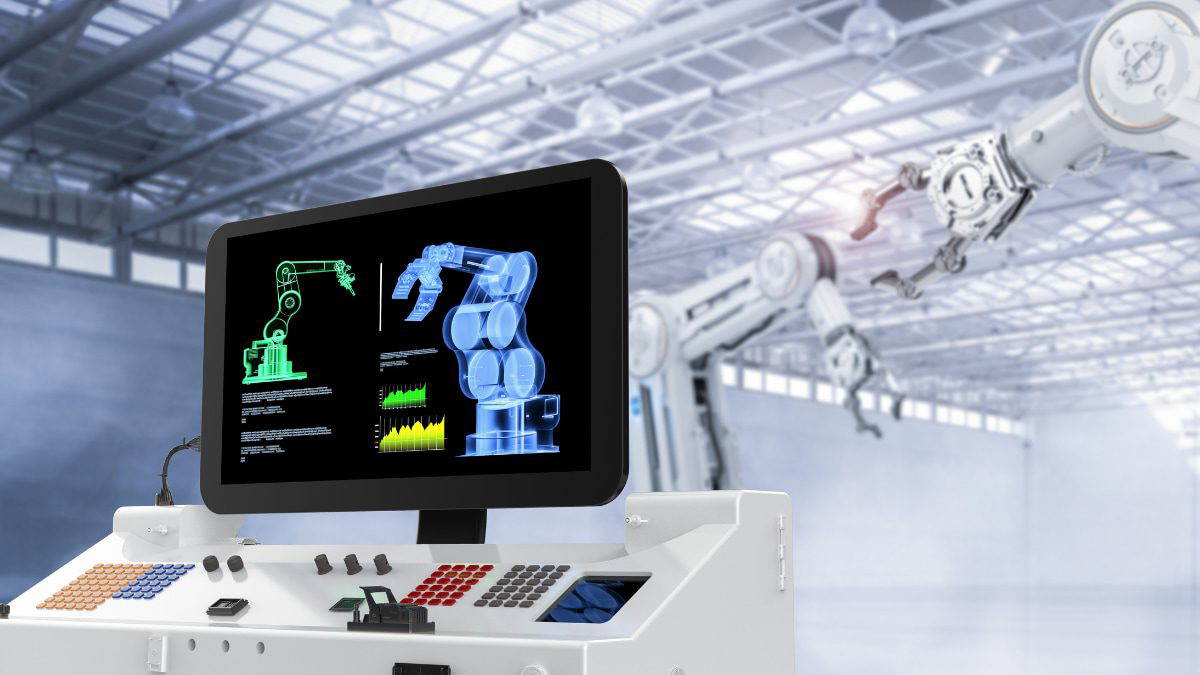
We know that more and more manufacturers have implemented some form of automation over the past 5 years.
We also understand that, although these automated solutions have increased productivity and efficiency, there is so much more technology can offer.
In fact, today, digital transformation, which includes automation, AI, the Internet of Things, and even augmented reality, is taking the manufacturing sector by storm.
To be able to not only compete but also survive, is now the time for you to look at your digital transformation strategy?
Digital transformation in manufacturing
With ongoing reports of outdated processes, a lack of accessible data, and skills shortages in key areas, there is a growing demand to take automation a step further with the introduction of smart manufacturing solutions.
Moving away from integrating automation as one solo aspect and instead, implementing automation and technology to connect systems, processes, and people to improve overall visibility and allow for better and more informed decisions – using a data-driven approach to create a “smart factory.”
Where data meets demand and real-time information is fed into production lines to manage output, equipment, and more, smart factories connect the physical aspects of manufacturing with digital, in order to manage the challenges the sector currently faces.
This new approach is significantly changing how manufacturers operate. However, this doesn’t mean changing everything; rather, it means investing in the right areas. Where bespoke automation and digital technology are much more tailored and cost-effective, making it available to all businesses, no matter the size of their operations.
Making the move to a smart factory
Benefits of moving to a connected factory:
- You can reduce (if not eliminate) bottlenecks in production, using technology to support skills shortages by optimising resource allocation.
- Quality and consistency increase as you gather large amounts of data, providing greater visibility across production.
- You can meet outlined sustainability goals, as automation supports waste reduction and greater efficiency.
- Replacing paper systems with digital workflows can cut down time and improve planning.
- Employees feel safer and more confident as automation takes over dangerous and monotonous tasks.
- With more data, you can better forecast and hence scale operations efficiently and respond to market changes with ease.
- You can improve your customer experience through faster delivery times, as well as gain the ability to manage complex demands and customisation.
More cohesive factories, where digital solutions and physical production work together, ultimately provide manufacturers with better decision-making capabilities, optimisation of costs, and an increase in competitiveness, resulting in an increase in profits and long-term growth.
Digital Transformation – Examples
From real-time production tracking to managing workflows, controlling costs, and delivering customer value, automation and AI solutions are suitable for all aspects of the manufacturing process, for example:
- Sales and quoting
- Engineering
- Production
- Scheduling
- Inventory management
- Financial reporting
- Quality control, and
- Analysis.
Smart factories in practice
Quality control – leveraging computer vision imperfection technology, defects in products across the production line (defects that may go unnoticed by the human eye) can be easily and quickly identified and rectified, leading to higher product quality.
Forecasting – we now have the capabilities to monitor trends and shifts in demand using digital transformation to assist in the gathering of data and information, resulting in more effective planning and production.
Internet of Things (IoT) – using real-time data to offer manufacturers greater visibility, you can track equipment performance and maintenance requirements, levels of operational efficiency, and even energy usage. Plus, the more data you have, the more informed you are to make better decisions, making your manufacturing outfit more agile and flexible to change.
Automation – one of the main drivers of efficiency and growth in manufacturing, automation continues to provide manufacturers with numerous opportunities. Supporting safety, an increase in productivity, and sustainability initiatives, automation is allowing manufacturers to compete, build, and grow.
Digital Transformation: What does it mean for manufacturers?
As more and more businesses look to make the move to becoming a connected factory, where machines, systems, and people work together through technology, we will see greater efficiency, higher operational performance, and an increase in profitability.
Access to automation and digital technology is now readily available for all manufacturers, and with expert teams, like Innomech, this technology can be customised to your processes, making integration seamless and smart manufacturing a real possibility.
Helping manufacturers navigate the ongoing rise in costs and unpredictable supply chains, Innomech designs, develops, and produces innovative special-purpose automation machines and systems that look to improve efficiency and production.
2026 is continuing to see surges in businesses investing and integrating automation and AI into systems and processes. Arrange a call with us today to discuss your up-and-coming digital transformation projects.