
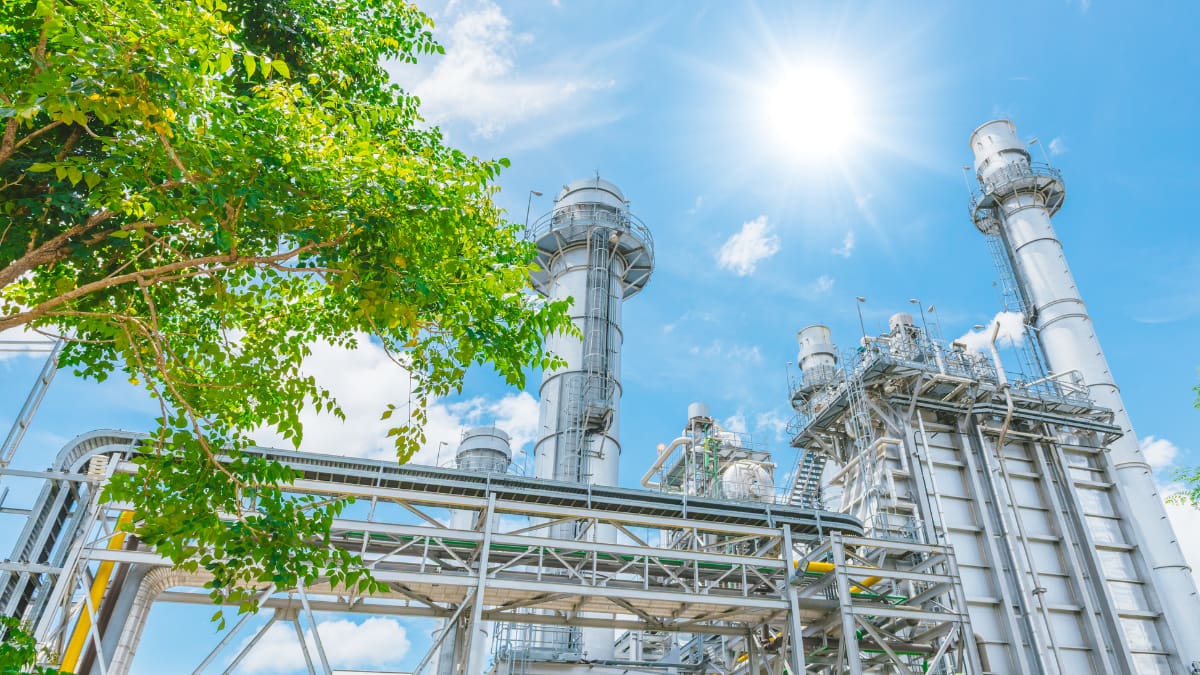
As the countdown to 2026 begins, we take a look at what is in store for the manufacturing sector and how automation is challenging the `norm’ and transforming operations for good.
As we head into the New Year, we know the sector will continue to see rapid change as we face economic fluctuations, shifting political agendas, heightened customer expectations, and much more. All of which will result in ongoing cost pressures, fluctuating raw material prices, shifting regulatory requirements, and the buzzword of 2025, a keen focus on sustainable operations.
To support you and help drive success in 2026…automation.
From robotics to the Internet of Things, and advances in AI, investment in automation, particularly bespoke automation, will be key to ensuring sustainable manufacturing in 2026 and beyond.
Manufacturing outlook
Deloitte’s 2025 manufacturing industry report states that 98% of the manufacturers they surveyed have already begun implementing digital transformation.
Of course, this statistic comes as no real surprise when we look back at the disruptions the sector has faced throughout 2025 and prior, with manufacturers using digital to build supply chain resilience, strengthen operational stability, keep prices stable, and production on track.
Using this information, and as we head into 2026, some of the key areas manufacturers should take heed of include:
IOT and smart factories are very much real and happening. In fact, smart factories are transforming manufacturing processes as we know them.
As such, manufacturers must invest in digital to enhance visibility, leverage smart sensor technology to reduce downtime and quality issues, and use real-time tracking to collect better data.
Scaling smart manufacturing with AI will also help to drive results and upskill teams and workforces to tackle ongoing skills shortages.
Manufacturers must remain competitive in global markets and remain agile to market shifts and regulatory changes. Introducing automated systems, such as predictive maintenance, can reduce downtime and address staff and skills shortages on the frontline.
We also know that AI is not going anywhere and, in fact, is only set to get bigger. Manufacturers must embrace AI automation to reduce equipment failures, improve quality, support scaling, and create more efficient, leaner processes and procedures.
Manufacturers should look to diversify supplier networks, taking advantage of offshoring opportunities and accounting for all logistics and storage arrangements, and how automation can support, e.g., pick-and-pack robotics.
Benefits of automation
“Worldwide AI adoption has increased in the last year to 72%”
This is according to the McKinsey report, which offers insight into the state of AI and how various sectors, including manufacturing, are adapting and, most certainly, adopting.
Businesses are not only beginning to discover the many advantages of automation, but they are also beginning to see real results.
Some of these advantages include:
Energy efficiency – automation directly contributes to energy efficiency as you implement leaner processes, reduce waste, optimise machinery use, and streamline resources, all creating sustainable operations.
Optimised resources – by eliminating inefficiencies in production processes and streamlining operations, you can optimise resources, creating agility and flexibility in production.
Minimise waste – making better use of materials is a significant benefit of automation. Helping to reduce costs for manufacturers, reduce carbon footprint, and meet sustainability objectives.
Increase process efficiency and flexibility – transforming production processes to enhance precision and consistency and increase production output.
Drives smarter, data-driven decisions – making manufacturers more competitive and agile with production changes, market shifts, and consumer demands.
Retain and attract top talent – with Deloitte reporting that up to 1.9 million manufacturing jobs could remain unfilled by 2033, retaining and attracting top talent is one of the biggest challenges in the manufacturing sector. Introducing automation can help alleviate these challenges and enable manufacturers to implement upskilling programmes for employees with automation taking over repetitive tasks.
Competitive edge – gain the competitive edge in a global marketplace as we see automation drive shorter lead times, lower costs, and achieve higher quality.
Improved safety – hazardous and repetitive tasks can be removed and automated, keeping workers safe and free from harm.
Reduce costs – reduction in material costs, energy consumption, and labour costs are all the result of integrating the right automated systems into your processes.
24/7 operations – automation doesn’t operate on a set 9-5 schedule. In fact, automated systems can run continuously depending on your production requirements.
How automation will enable sustainable manufacturing
We understand that automation can be a significant investment, and we know that not one automated solution fits all.
It’s important to collaborate, carry out appropriate cost-benefit analysis, and in some instances, take a phased approach. Ensuring machine and system compatibility, looking at areas where you can mitigate risks, and using automation as a force to achieve continuous improvement.
At Innomech, we offer bespoke automation design and build solutions. Solutions that are unique to your processes and that support your sustainability and growth goals and objectives throughout 2026.
Book a call to see how we can support you.