We know that innovative engineering unlocks new efficiencies and capabilities for manufacturers to maintain existing products as well as allow for the development of new ones.
In fact, innovation in all aspects of manufacturing process design is key to driving competitive advantage, allowing UK manufacturers to remain relevant and bolster resilience.
Yet, we know that moving from traditional manufacturing to cutting-edge is no small feat.
It includes investment in the right places, strategic planning, and commitment from all parties toward building a stable and sustainable business.
Automation plays a big role in how manufacturers are moving forward at pace, and in this post, we look at the approaches some are already taking to process development as well as the reasons why making the move to more innovative technologies is an essential step in building tenacity.
Process innovation manufacturing
Process manufacturing is the actual step-by-step processes manufacturers have in place that outline how raw materials move through production, concluding in a finished, usable product.
It is the full production line.
Process innovation manufacturing, however, takes this one step further.
Process innovation in manufacturing looks at all areas of production and analyses how these can be enhanced through streamlining certain areas, introducing automation, removing unnecessary steps, and more.
The aim is to guide manufacturers to greater efficiency, improved productivity, and increased competitiveness and profit.
A form of reevaluating and refining how production currently operates and how it can be enhanced, process manufacturing looks for opportunities for innovation and improvement in specific workplace tasks, implementing a strategic focus to directly and positively affect performance and efficiency.
Current challenges
The manufacturing sector continues to face numerous challenges, with engineers and those on the production line continually looking for ways to improve performance.
The most problematic is that of outdated methods. Manufacturing processes are often steeped in historical data and process steps that have not been reviewed or updated for a considerable period, as focus has been on keeping production going.
We also understand that manufacturers are often working to limited capacity, and ongoing staff shortages in the sector for skilled workers mean production is most likely not to be running as efficiently as it could, increasing waste, costs, and time.
We also know that there are scaling intricacies in manufacturing as well as inventory mismanagement, and according to MAKE UK’s quarter 2 report findings, business confidence is the lowest in 4 years.
This is where designing and investing in the right automation solutions and more modern approaches to process manufacturing come in.
Supporting manufacturers in becoming more efficient, productive, and competitive, new strategies and technologies must be implemented and continuously reviewed.
Benefits of rethinking production flow
- Increased productivity
- Boost in staff morale
- Tackles staff and skill shortages
- Introduces agility and flexibility into production
- Improves plant reliability
- Cuts downtime across operations (saving time, money, and reducing waste)
- Increases output (improves profitability)
- Improves energy efficiency (helps support sustainability goals).
Modern approaches to process development
Lean processing – Lean processing is not a new concept in manufacturing, where the focus is on maximising productivity all while reducing waste, hence, increasing output and reducing costs. However, implementing lean processing analysis across all steps within a process can allow you to remove those that do not add value and look at alternative ways to enhance those that require modernising.
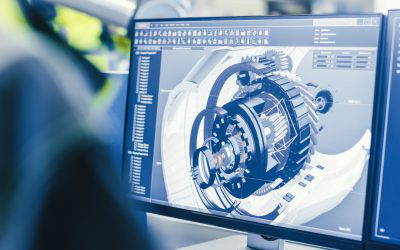
Digital twins – growing in investment, digital twins allow for virtual simulations where manufacturers can create live replicas of physical machinery and processes, cutting costs by approximately 15% and increasing efficiency twofold. Digital twins introduce predictive maintenance, testing, quicker development times, and a reduction in waste.
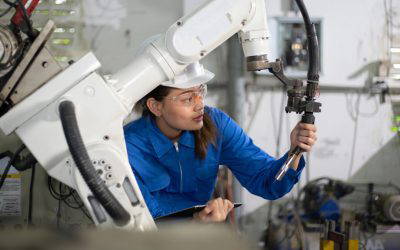
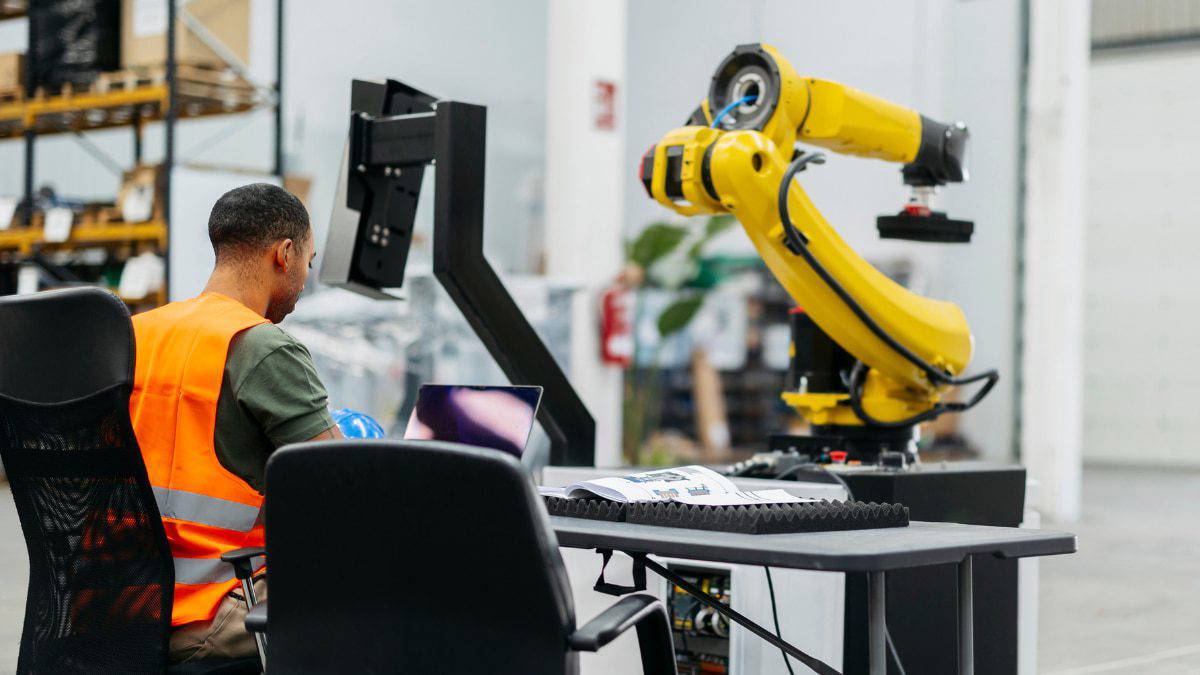
Robotics – from robot handling to PLC control, pick and place, and vision systems, robotics can help to reduce risk and improve employee safety, while ensuring accuracy and consistency. Taking over repetitive tasks and improving productivity, the introduction of robotics also allows manufacturing processes to operate 24/7 and meet the skills shortages within the sector head-on.
Data-driven technologies – using innovative automation technology to identify and resolve inefficiencies in production through real-time data. Harness actionable insights in complex and highly regulated environments, such as medical manufacturing, using clean and accurate data to achieve improved results. With the right data at your fingertips, you can streamline workflows and increase operational efficiency, increasing overall output and consistency.
The aim with the introduction of any automation or technology is to ensure that you are tackling the root cause of the production delay/issue.
Innomech
At Innomech, we support manufacturers by designing automation solutions that are bespoke to you. These systems and technologies are designed around your processes, where you have identified bottlenecks, where there could be opportunity for innovation, and more.
We know that there is no one size fits all when it comes to process manufacturing, and we understand that there is certainly no one size fits all when we begin to examine process innovation manufacturing.
That’s why we’re proud to use our expertise and experience in design and build automation to provide manufacturers with the opportunity to move from static and tired processes toward data-driven, highly flexible workflows that help build long-term sustainable success.
Interested in finding out more?
Speak with our design and build team today – book a call at a time that is convenient to you.